Pressure (2026) review: we saw the D-Day film in the cinema
We saw Pressure in the cinema. Our review of the D-Day film starring Andrew Scott and Brendan Fraser — plus a fact-check: how historically accurate is it?
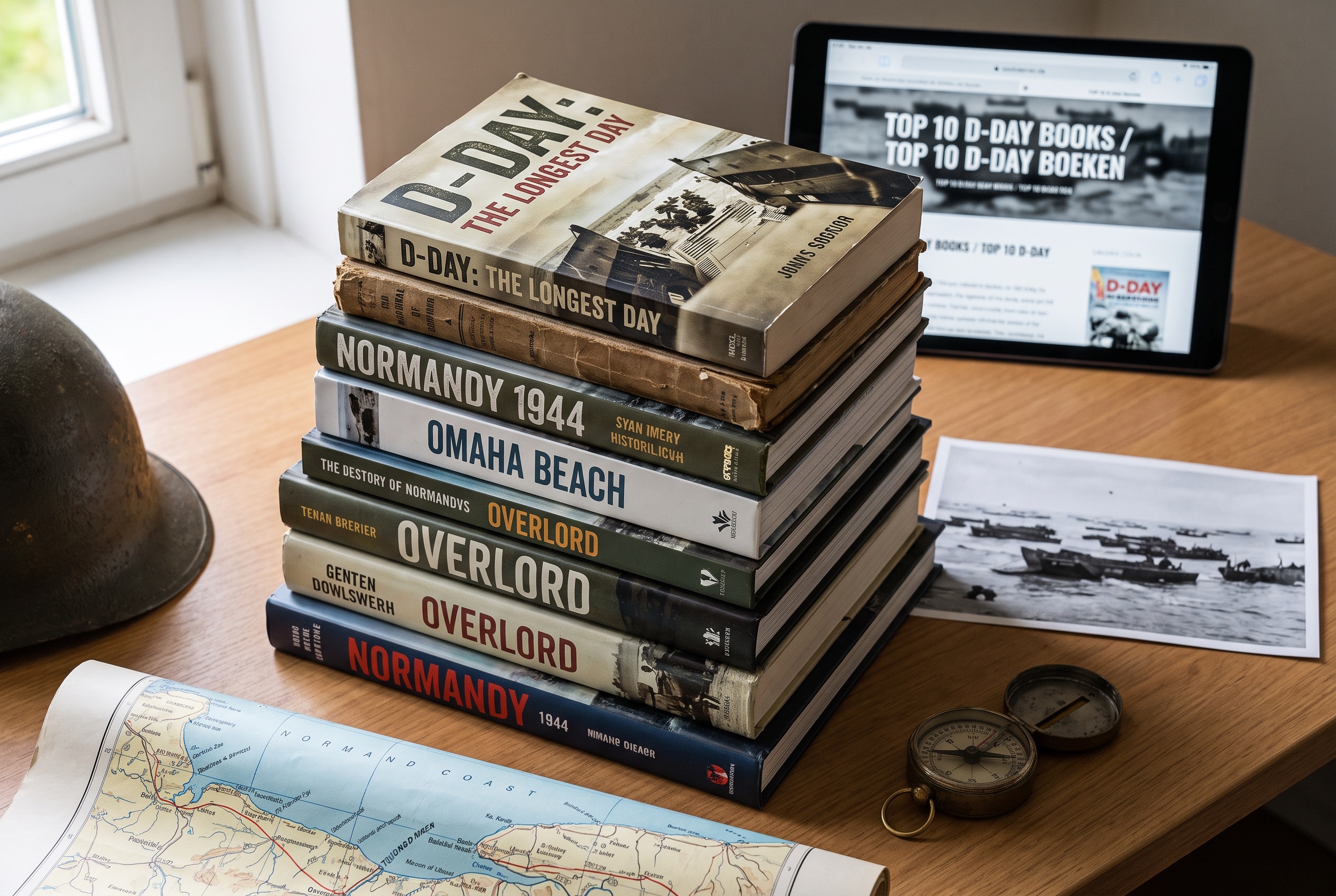
D-day is not just one of the most filmed events in history — it’s also one of the most written about. From sweeping military histories to deeply personal memoirs written by the men who were there, D-day has produced an enormous body of literature. This top 10 of D-day books has been compiled by D-day Info itself, based on historical accuracy, readability and lasting reputation among readers and historians. As with our other top 10s, this ranking is of course subjective and therefore rather indicative.
This article contains affiliate links: if you order a book through one of these links, we may earn a small commission at no extra cost to you.
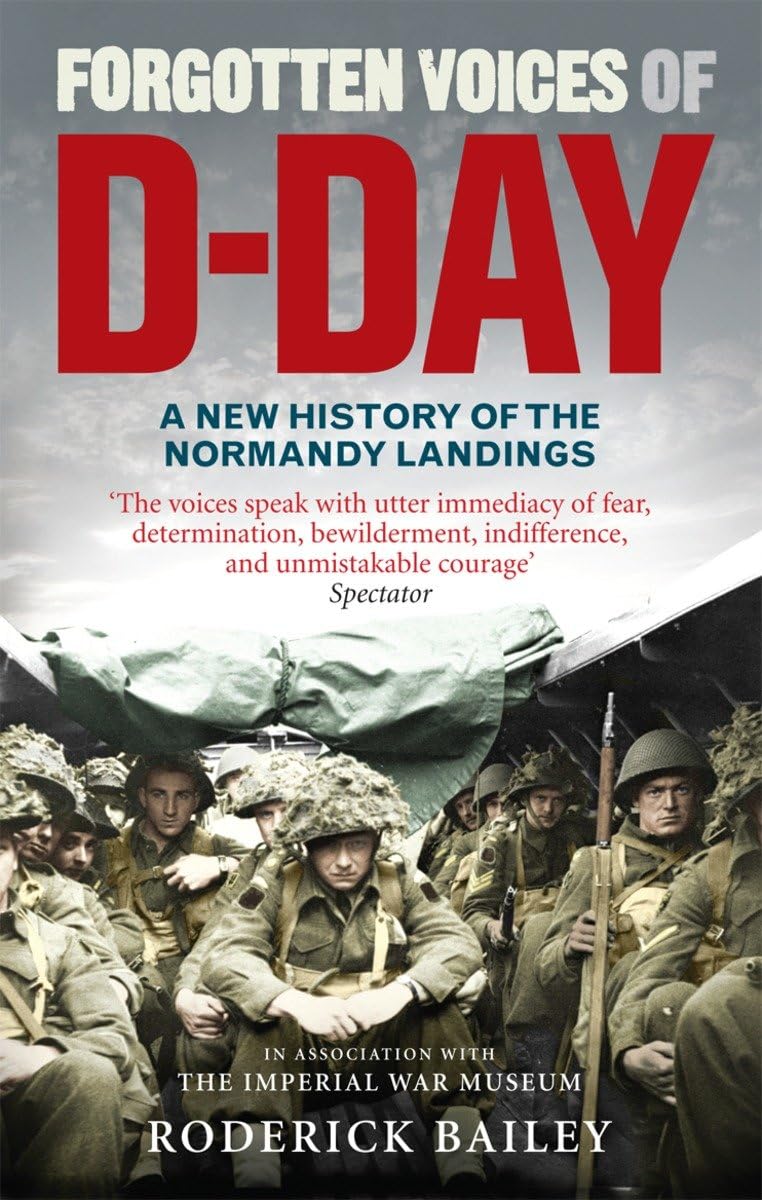
Drawing on the Imperial War Museum’s vast oral history archive, Roderick Bailey lets the men who fought on 6 June 1944 tell their own story, largely in their own words. From commandos storming the beaches to glider pilots crash-landing behind enemy lines, Forgotten Voices of D-Day weaves hundreds of first-hand testimonies into a single gripping narrative.
Because it relies almost entirely on the recollections of British and Commonwealth veterans, it offers a more intimate, ground-level view of the invasion than most conventional histories, filling in the human detail that official reports and grand strategy books tend to leave out.
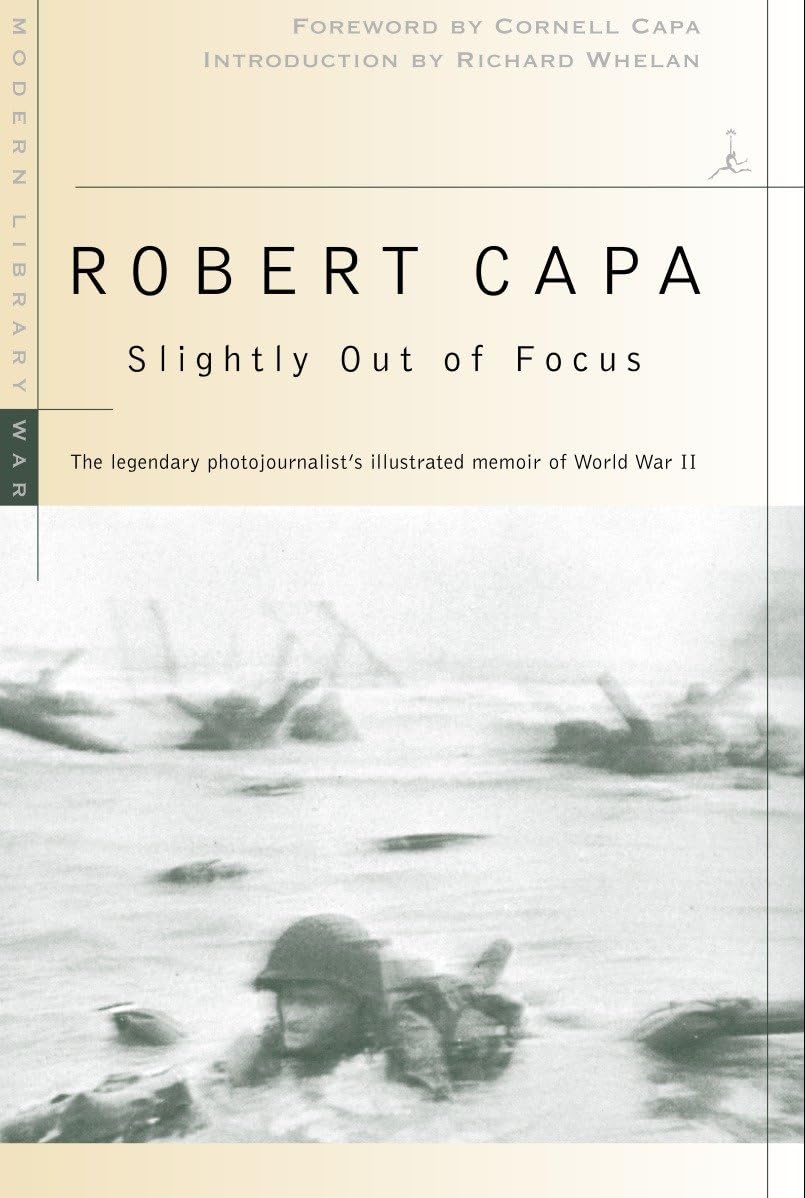
Robert Capa was the only professional photographer to land with the first wave on Omaha Beach, and the handful of blurred, chaotic images he brought back remain some of the most iconic photographs of the Second World War. Slightly Out of Focus is Capa’s own memoir of his years photographing the war for Life magazine, written with the same restless, cinematic energy as his pictures.
His account of wading ashore under fire, camera in hand, offers a unique perspective: not that of a soldier, but of a witness determined to show the world what an invasion actually looks like.
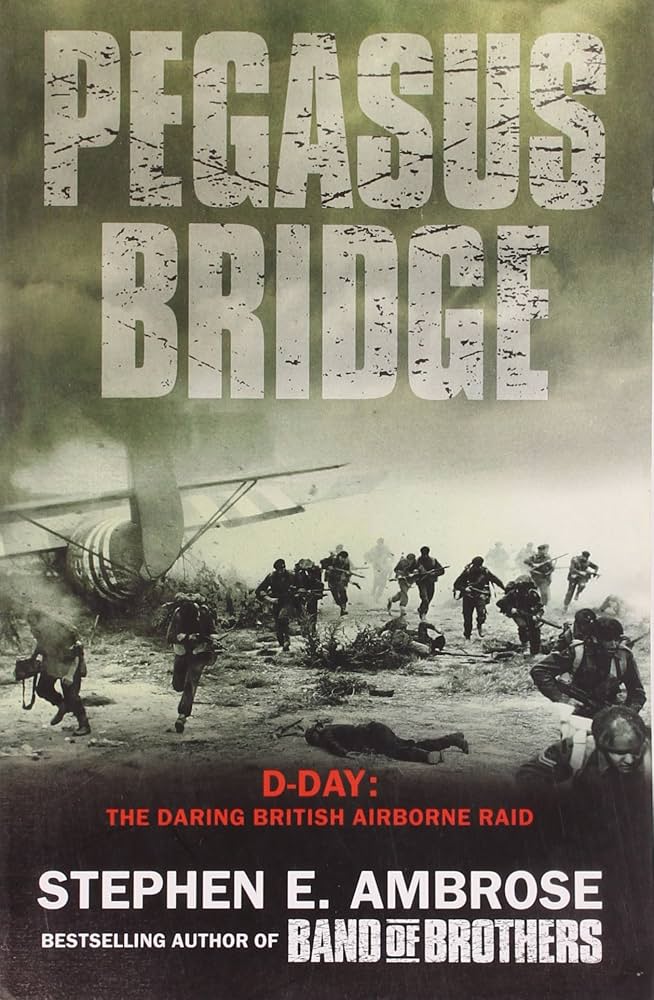
Long before the first landing craft reached the beaches, a small force of British glider troops carried out what is often called the first Allied action of D-Day: the daring, near-silent capture of the bridge over the Caen Canal, later renamed Pegasus Bridge in their honour.
Stephen Ambrose, who would go on to write Band of Brothers, tells this compact, thrilling story in painstaking detail, from the training of the glider pilots to the chaotic minutes after landing. It’s one of the shortest books on this list, and one of the easiest to recommend to anyone new to D-Day history.
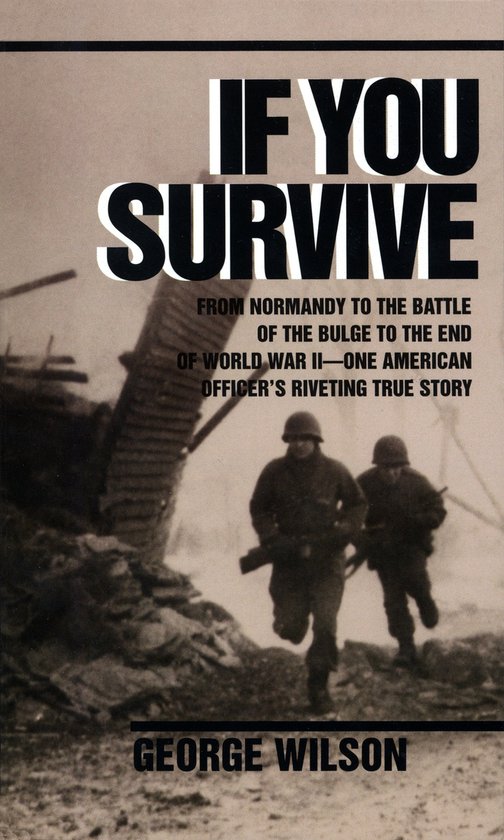
Most D-Day books end where George Wilson’s begins: on the beach, on the morning of 6 June. If You Survive follows Wilson, a young infantry officer with the 4th Infantry Division, from the Utah Beach landings through the murderous hedgerow fighting of the Norman bocage and on into Germany.
Written decades after the war, it is unflinching about the exhaustion, fear and loss that followed the initial assault, and remains one of the most highly regarded combat memoirs to come out of the Normandy campaign.
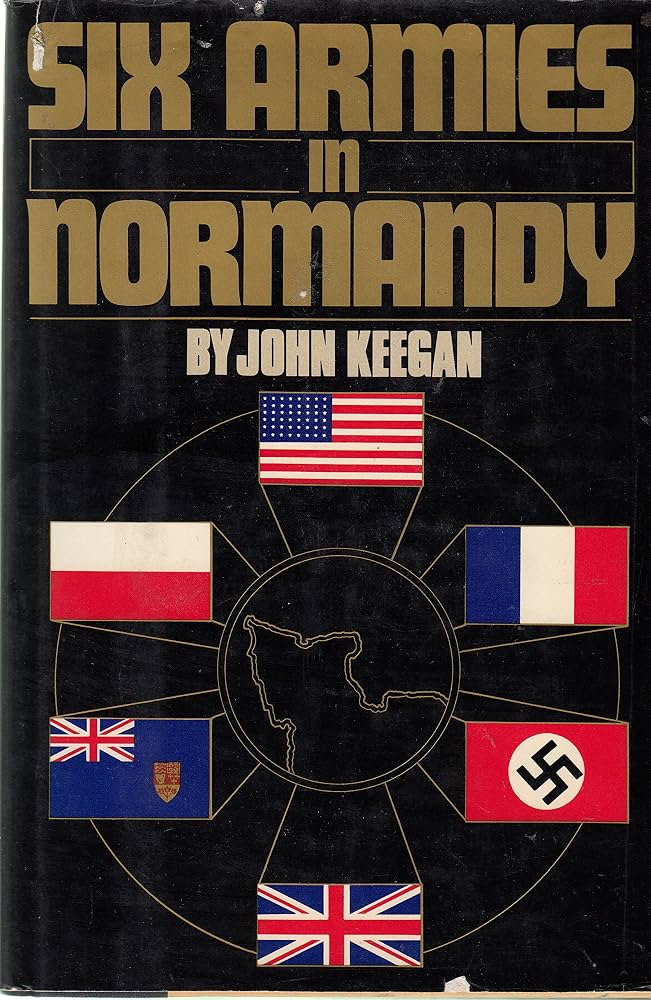
Military historian John Keegan examines the Normandy campaign through the experience of six different national armies — American, British, Canadian, French, Polish and German — fighting alongside and against each other across the same stretch of countryside.
Rather than a single sweeping narrative, Six Armies in Normandy compares how each army trained, fought and thought, making it one of the most analytically interesting books about the invasion, particularly for readers who already know the broad outline of events and want to understand why they unfolded the way they did.
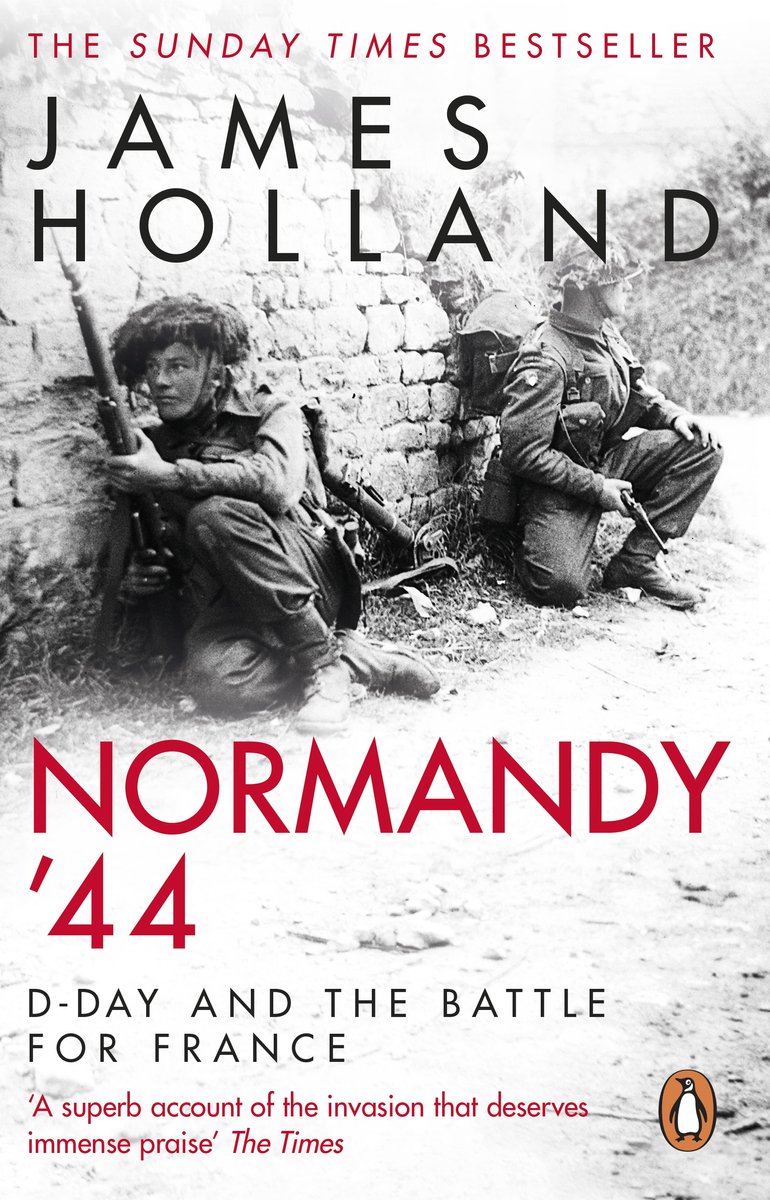
One of the most acclaimed D-Day histories of the last decade, Normandy ’44 argues that the campaign was decided as much by tanks, ammunition and logistics as by generalship or heroism. James Holland combines meticulous research with a novelist’s eye for detail, weaving together the accounts of ordinary soldiers on both sides with hard analysis of equipment and supply chains.
It’s a demanding but rewarding read for anyone who wants to go beyond the familiar D-Day narrative and understand the industrial machine behind the invasion.
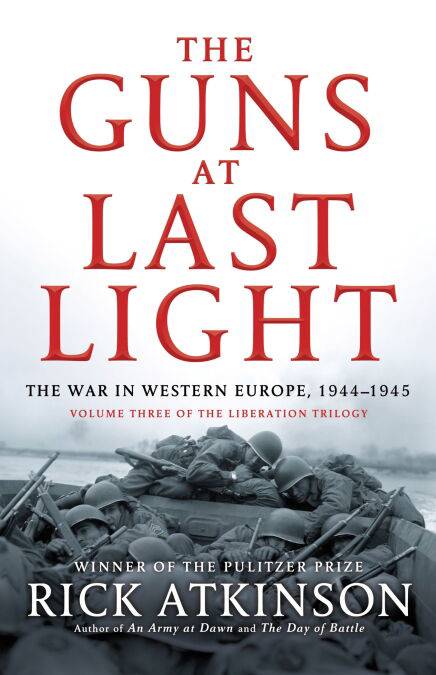
The final volume of Rick Atkinson’s Pulitzer Prize-winning Liberation Trilogy, The Guns at Last Light opens with the D-Day landings and follows the Allied armies all the way to the fall of Nazi Germany. Atkinson is as much a storyteller as a historian, and his account of 6 June 1944 is widely considered one of the finest single chapters ever written about the invasion.
Readers looking for the bigger picture — how D-Day fits into the final year of the war in Europe — won’t find a more rewarding single volume.
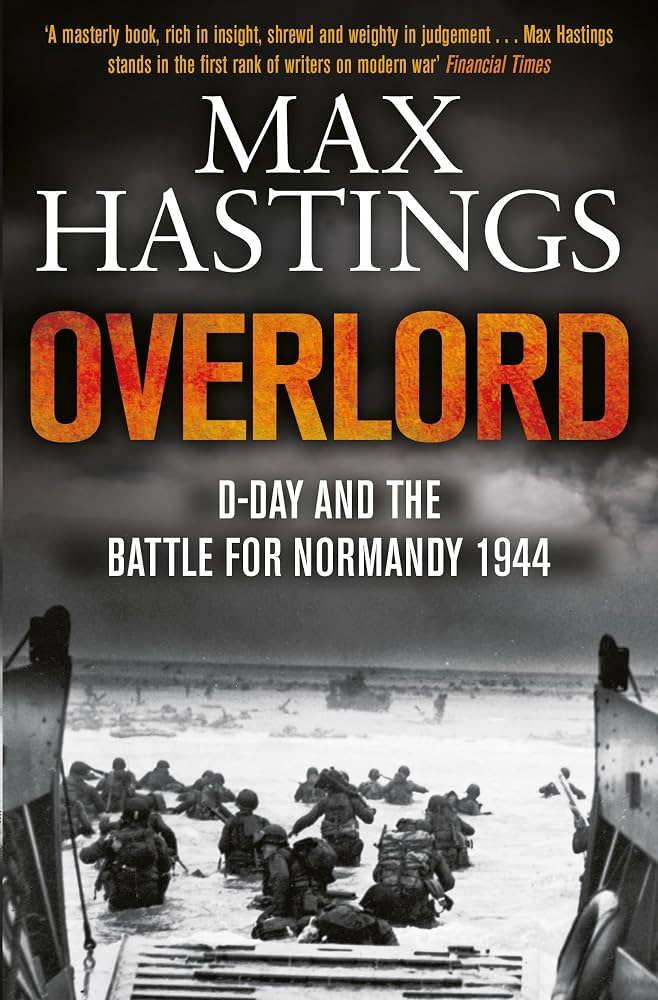
Max Hastings’ Overlord was one of the first major histories to argue that the Normandy campaign, while ultimately a triumph, was a far bloodier and more difficult fight than the popular image of D-Day suggests. Drawing on interviews with veterans from both sides, Hastings is unusually candid about Allied mistakes and German tactical skill.
More than three decades after publication, it remains one of the most respected and frequently cited histories of Operation Overlord.
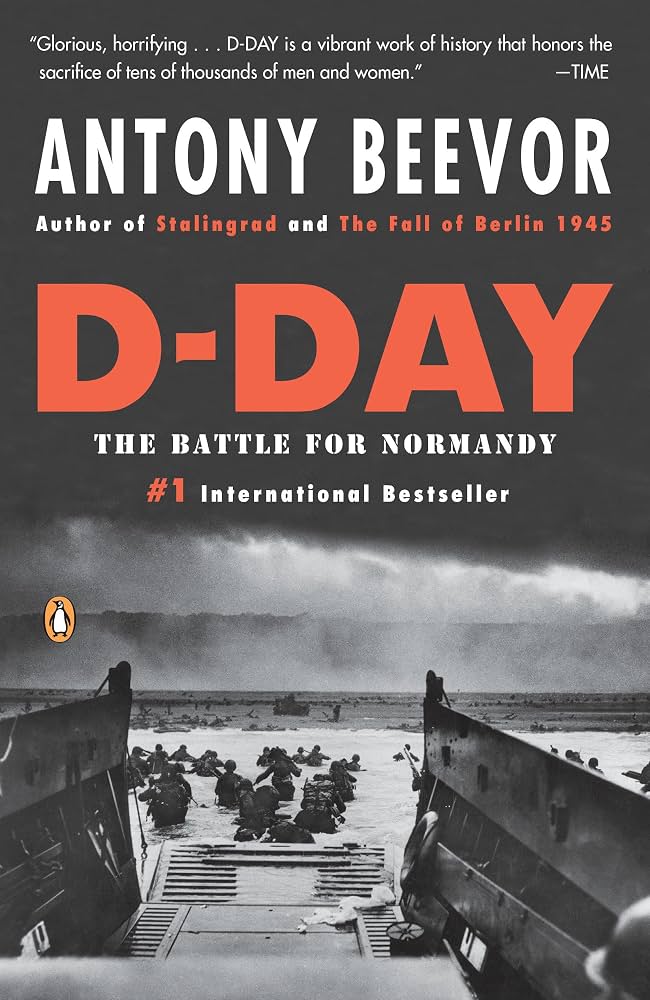
Antony Beevor, one of the best-known military historians writing today, takes readers from the planning of Operation Overlord through the amphibious and airborne landings and on to the brutal three-month battle for Normandy that followed. Beevor is especially attentive to the experience of French civilians caught in the fighting, a perspective often left out of accounts written purely from an Allied or German point of view.
Comprehensive, highly readable and an international bestseller, it’s often the first serious history of D-Day that people pick up — and for good reason.
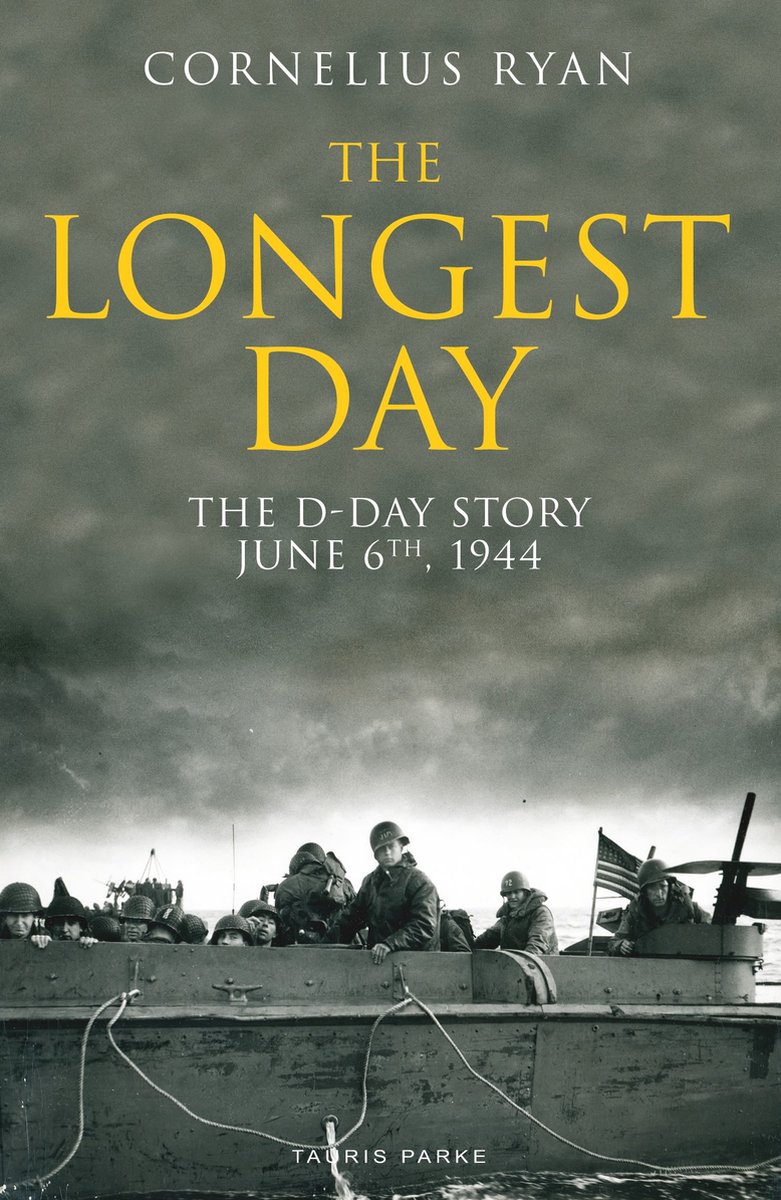
Our winner is also the book most responsible for shaping how the world remembers D-Day. Cornelius Ryan, himself a war correspondent who covered the invasion, spent years tracking down and interviewing hundreds of participants — Allied and German, soldiers and civilians — to reconstruct 6 June 1944 almost hour by hour.
The result is a fast-paced, endlessly quotable account that reads more like a thriller than a history book, and it directly inspired the star-studded 1962 film of the same name that tops our list of the best D-day movies. If you only ever read one book about D-Day, this is the one most historians and readers alike would recommend.
1. The Longest Day (1959)
2. D-Day: The Battle for Normandy (2009)
3. Overlord: D-Day and the Battle for Normandy (1984)
4. The Guns at Last Light (2013)
5. Normandy ’44 (2019)
6. Six Armies in Normandy (1982)
7. If You Survive (1987)
8. Pegasus Bridge (1985)
9. Slightly Out of Focus (1947)
10. Forgotten Voices of D-Day (2009)
Check out the best D-day movies – Top 10 here
Check out the Best D-day games – Top 10 here
Have you noticed a language or writing error? Please let us know, as this will only improve our reporting. We will correct them as soon as possible. Your personal data will be treated confidentially.
Report error
Use discount code DDAYINFO and get 30% discount on everything.